Adil Raza Khan | March 26, 2026
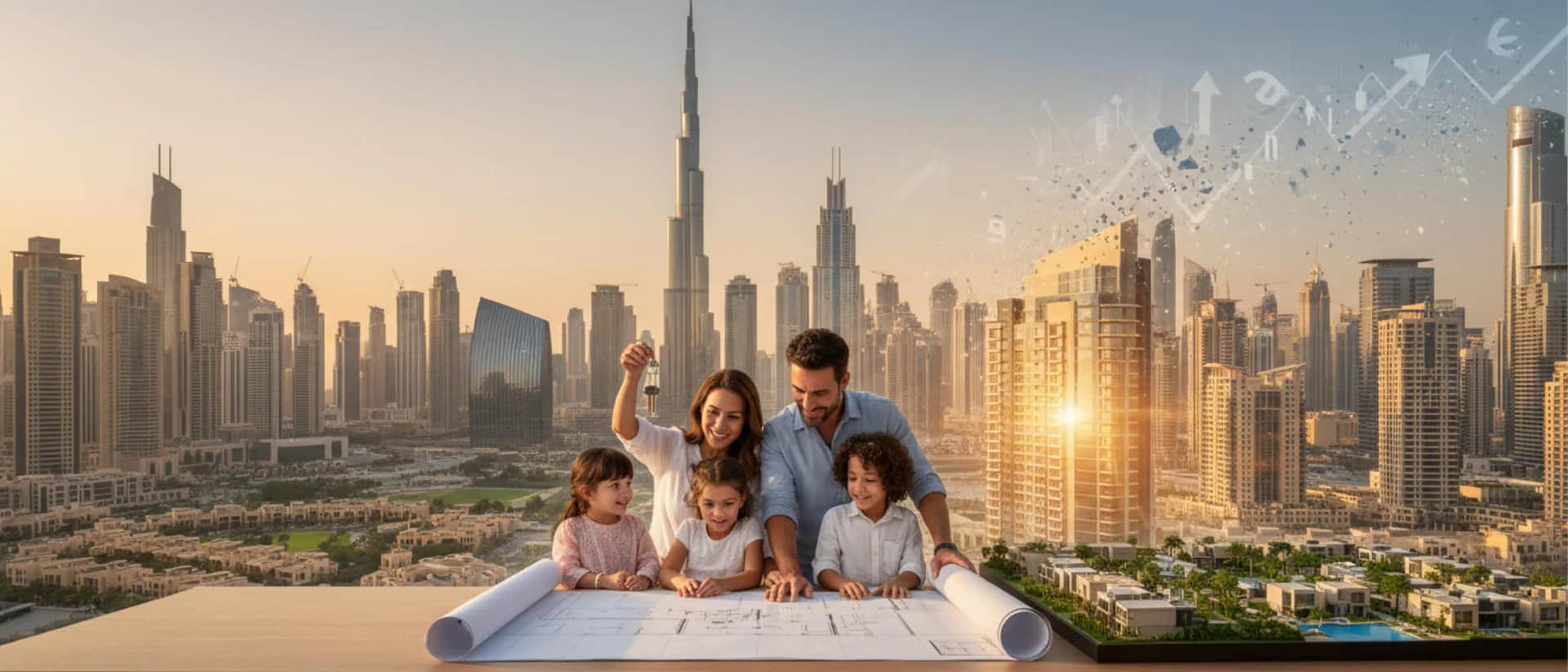
Dubai’s Property Market is indeed transitioning into an end-user era, driven by a growing base of buyers seeking long-term ownership rather than short-term investment gains. This trend is transforming the volume of transactions, buyer patterns, and pricing trends throughout the city, which is marking a structural transformation of the market. Here - it has always been an investor-driven market, to a more sustainable, user-centric ecosystem.
The current trends in Rise of End-User Buyers in Dubai can be understood as the fact that the percentage of the residential purchases in the major Dubai districts is now over 60 percent. This belongs to the buyers who are willing to occupy the properties or keep them long-term.
According to data at the beginning of 2026, the volumes of transactions are strong. The number of sales of houses in the first month of 2026 is about 15000 (about 15,000 sales per month), regardless of the geopolitical situation in the world.
This structural change is attributable to the population growth in Dubai that is projected to reach 175,000 to 225,000 in 2026, based on the fact that the demand for end-user properties in Dubai is stronger than in the past speculative cycles.
Curated Opportunities
Flexible buying options for smarter property decisions.
Handpicked properties sorted for the strongest value.
Investment-focused listings with return potential.
Browse Dubai communities with properties for sale.
The real estate sector in Dubai in 2026 is characterized by the consistent growth, large volume of transactions, and the growing activity of the end-users. The number of residential transactions is projected to be around 15,000 in March 2026, with momentum in spite of regional geopolitical uncertainty.
The total prices rose approximately 15 percent annually in 2025, and the villas are going to appreciate almost 70 percent, and apartments approximately 40 percent over the years from 2020. The developers are also streamlining the product offerings to align with the priorities of the end-users, such as livable layout, access to schools, access to metro, and master-planned infrastructure.
These patterns point to the end-user-oriented purchasing direction, which makes the Property Market of Dubai more stable and developed.
One of the major factors that dictates prices in Dubai is the end-user demand. Buyers who are interested in long-term occupancy pay attention to lifestyle, settings, and convenience in their interests rather than short-term gain.
In prime locations, including the Downtown Dubai, Dubai Marina, Sobha Sanctuary, and Emaar Beachfront, more than 60 percent of recent acquisitions are made by real residents. This behavior change has led to a leveled and sustainable growth in price, as opposed to previous spikes in price through speculation, and strengthening market stability.
The prime districts and master communities have high-end user activity. The Sobha Sanctuary, downtown Dubai, Dubai Marina, and Emaar Beachfront, through which most of the units are sold to residents and not investors.
New neighborhoods around metro stations, educational institutions, and hospitals are also experiencing increasing levels of end-user demand. These tendencies point to a Dubai end-user property market in which the lifestyle, infrastructure, and convenience are the most important factors in decision-making. The developers are more and more willing to meet the needs of residents.
The balance between the investor and end-user market in Dubai is changing towards a hybrid form. Investors are still operating in luxury and high-yield markets. However, end-users are now the prevailing type of residential transactions, which have commoditised the prices and provided predictable demand curves.
This blending makes it less volatile and speculative and makes sure that the property market in Dubai can be held to the global expectation of an ecosystem that is mature and based on the better-end-user, and keeps it attractive to foreign investments.
Several structural factors are leading the market in Dubai to switch towards an end-user driven model. Population growth estimated at 175,000 to 225,000 by the year 2026 augments the demand for housing.
Rental incomes are also very appealing, with 5-9 percent giving potential to individual ownership as well as rental incomes. The developers are countering it with flexible payment schemes, a community centered around lifestyle, and built-in facilities. Collectively, these factors move the market towards speculative investment in long-term and sustainable demand, solidifying Dubai as a competent real estate destination in the world.
Housing deals dried up, and prices in some prime areas showed slight increases of 12-15%. Despite this, the property fundamentals in Dubai were stable due to the population growth, interest of long-term buyers, and the constant development of infrastructure.
The purchases in core districts were still fuelled by end users who were less sensitive to geopolitical headlines than the investors. It is reported that even luxury and mid-market developments registered stable sales. This underlies that the Dubai market remains strong even in the context of tension existing in the region.
The Dubai property market is extremely resilient even in times of international and regional insecurity. Volumes in transactions have recorded temporary declines when the geopolitical tensions occur but all three aspects of the rental yields, population growth, and foreign demand remain steady in structural resilience.
According to early 2026 reports, the capacity of Dubai to keep the occupancy rate and the permanent demand in the central areas indicates that it is a geopolitical shock not related to end-user driven growth.
Best Project Finder
Filter opportunities by budget, property type, bedroom mix, and strategy to uncover projects aligned with your investment goals.
The Dubai real estate market is maturing, as indicated by a number of indicators. Stable price development, managed supply, a high level of end-user involvement, and declining speculation point to long-term stability.
The developers are also paying attention to quality, location, and infrastructure instead of a short sales cycle. This is also a reflection of the end-user orientation of the market. This maturity makes Dubai comparable to other metropolitan cities of the world, besides providing superior rental returns and reduced ownership expenses, which further boost its competitive advantage.
The best developers like Emaar, Sobha and DAMAC are differentiating products according to customer demand. There are now integrated master-planned communities, lifestyle amenities, schools, and access to healthcare within the projects. Also - the payment plans are developed in such a way that they appeal to residents and not speculative investors.
The response indicates that there is the conformity between the supply and long-term housing demands. This facilitates the shift towards an end-user-oriented property market in Dubai.
Dubai is a remarkable city in the world because it has a unique mixture of zero taxes on the ownership of the property, high rental investments, and increased end-user involvement. Dubai has greater returns, lower entry barriers, and a more resident demand-driven market as compared to the mature markets such as London or New York.
This is a strategic positioning that not only makes the property market in Dubai competitive to the whole world but also resilient, thus consolidating the position of Dubai as one of the pacesetters in terms of end-user driven real estate investment.
Investor vs end-user market in Dubai is being transformed to a less speculative format, to a hybrid format where end-users are taking a more active part in defining price stability and demand. Investors are still involved, but they are no longer the most significant buyers who are interested in long-term ownership.
This trend is reflected in transaction data: total property prices are increasing by about 15% per year, and villas are increasing by nearly 70% since 2020, and apartments by nearly 40% in the same timeframe. The controlled growth trend eliminates potential speculative peaks. Thus, this provides everyone (both investors and end-users) with an opportunity to have value and market stability.
Some of the trends indicate the development of an end-user property market in Dubai:
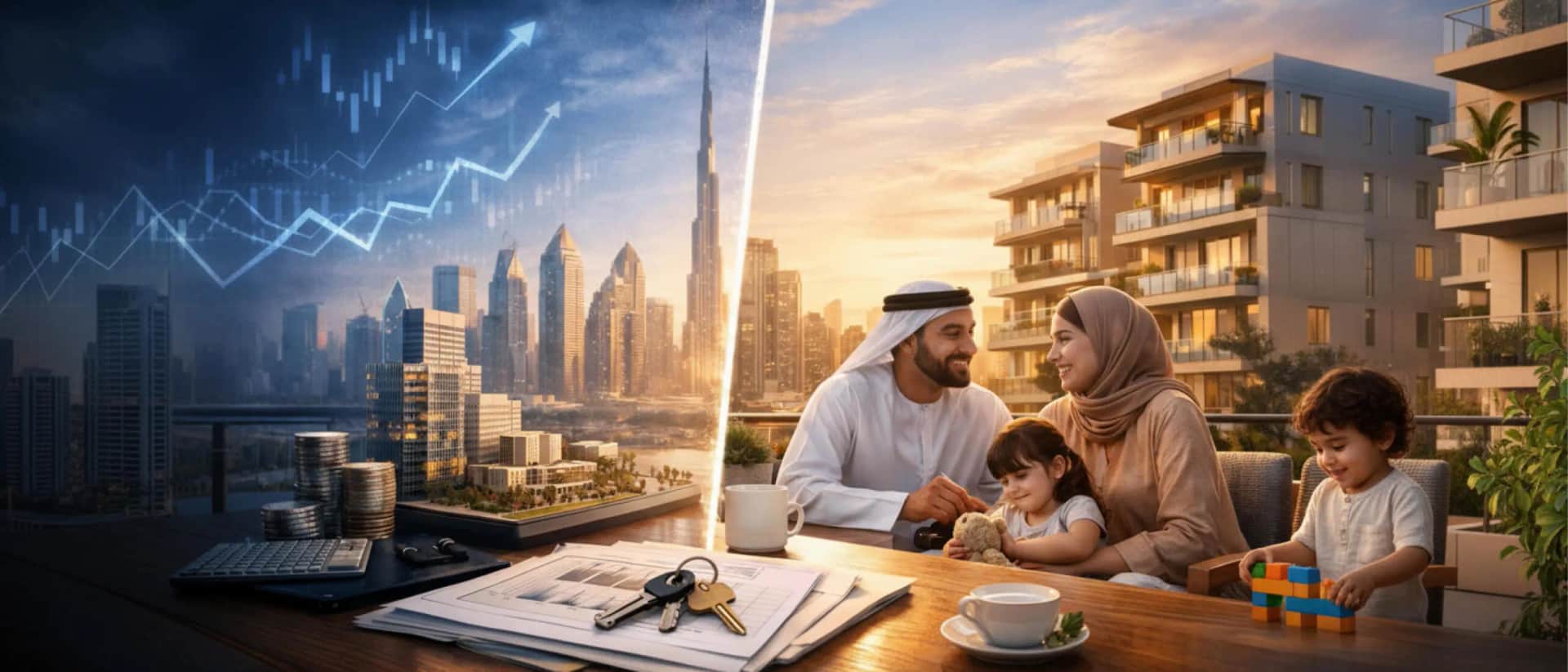
The property market in Dubai is evidently going into an end-user phase, backed by long-term purchasers, sustainable price development, and high rental returns. Although investors are still there, the market has currently been influenced by the real demand from residents.
This is the beginning of a structural transformation in the buyers and planners' perspective; Dubai is not just an international real estate center but also a market that caters to sustainable long-term ownership. This renders it one of the most attractive property markets in the world.
Long-term ownership and lifestyle-focused demand are driving Dubai’s Property Market in 2026.
Yes, end-users now account for the majority of transactions in prime Dubai districts.
The market remains strong with stable prices and sustained demand despite moderate transaction growth.
Geopolitical tensions, like the Iran war, caused temporary dips in transactions but fundamentals stayed resilient.
Yes, rental yields remain high at 5–9%, supporting both investors and long-term owners.
Buying remains attractive for long-term ownership due to stable prices and growing end-user demand.
Downtown Dubai, Dubai Marina, Sobha Sanctuary, and Emaar Beachfront show the highest end-user activity.
Investors are active mainly in luxury and off-plan segments but are now balanced by end-user demand.
Population growth and rising expatriate inflows continue to support housing demand and market stability.
Prices are expected to grow steadily and moderately, reflecting sustainable end-user demand.

WRITTEN BY
Adil Raza Khan is a Dubai luxury real estate expert with over 13 years of experience in the UAE property market. He is the Chairman of APIL Properties.
Investment Finder
Use smart filters to discover Dubai projects matched to your investment goals.
Try the Investment Finder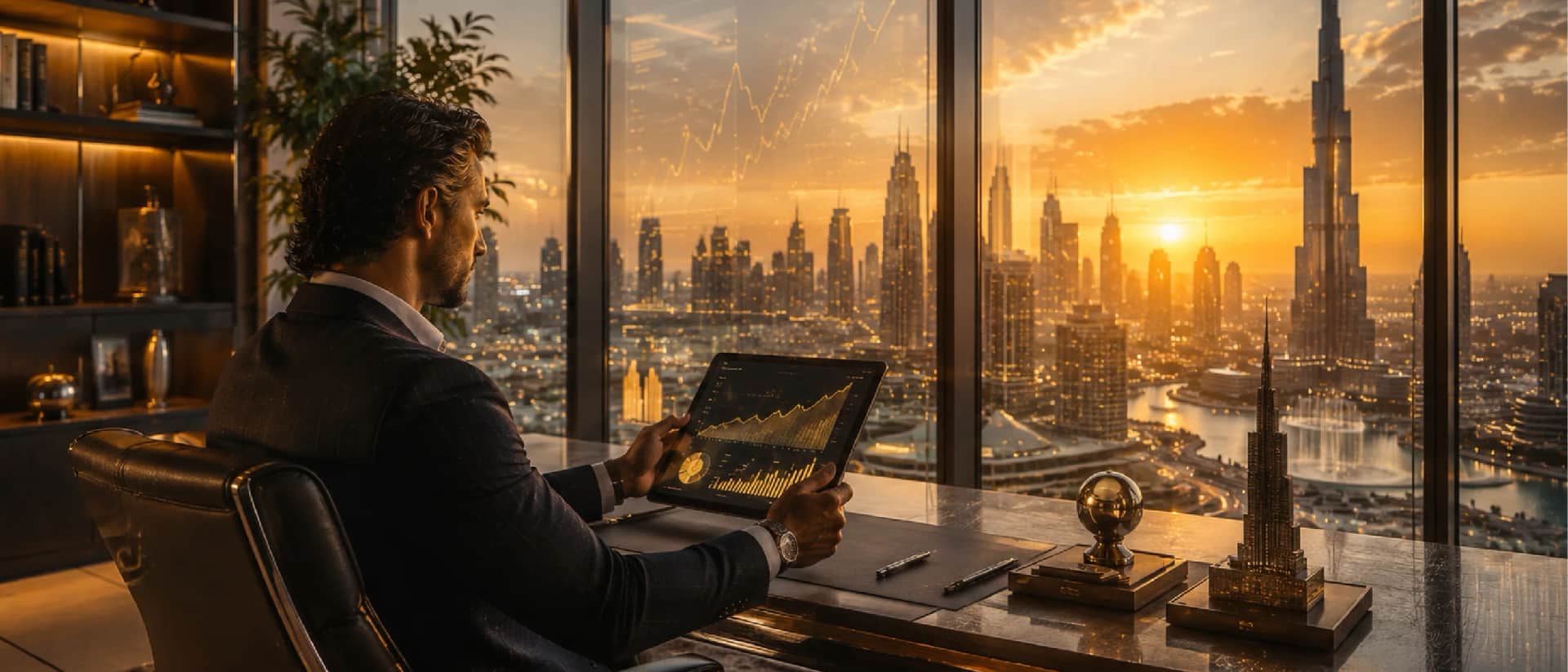
The Dubai Real Estate Market is set to see record-breaking momentum with transaction value reaching AED139.2 billion in Q1 2026—fueled by strong off-plan demand, foreign capital inflows, and increasing end-user activity.
Dubai is keeping its lead over other property hubs around the world thanks to its investor-friendly policies and the high potential for returns, as noted in market reports by Arabian Business and major brokerage data providers.
The Dubai Real Estate Market is not only expanding in terms of volume but also gaining greater value and quality as buyers are increasingly looking towards projects that are supported by infrastructure, credibility of the developers, and potential appreciation of capital value.
The Dubai Real Estate boom has evolved into a more stable, investment-driven cycle thanks to this structural shift in demand.
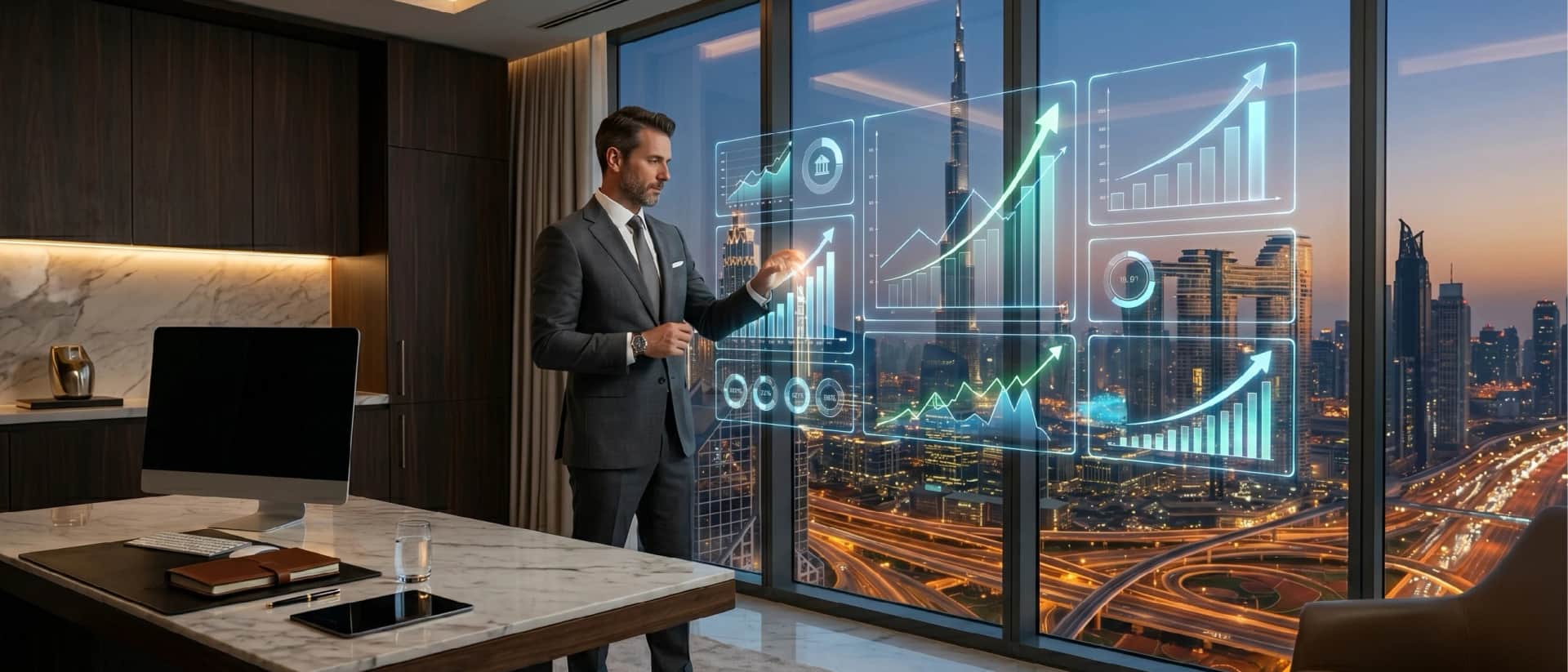
Capital appreciation in Dubai property market is the rise in property value over time, influenced by factors such as demand, location development, and macroeconomic conditions. To an investor, it is the money gained by selling the property for more than the initial investment.
Simply put, when you buy real estate in Dubai, and the value of that property improves over the next several years, then that gain in value is your capital appreciation. In Dubai, however, this concept has more than just the notion of price growth; it is correlated to infrastructure growth, off-plan deals, and demand from investors all over the world.
Dubai has emerged as one of the world's most vibrant real estate markets. It is offering opportunities for both immediate profit and future investment and wealth. For anyone interested in investing strategically in Dubai properties instead of speculatively, it is crucial to understand the concept of capital appreciation in the local real estate market.
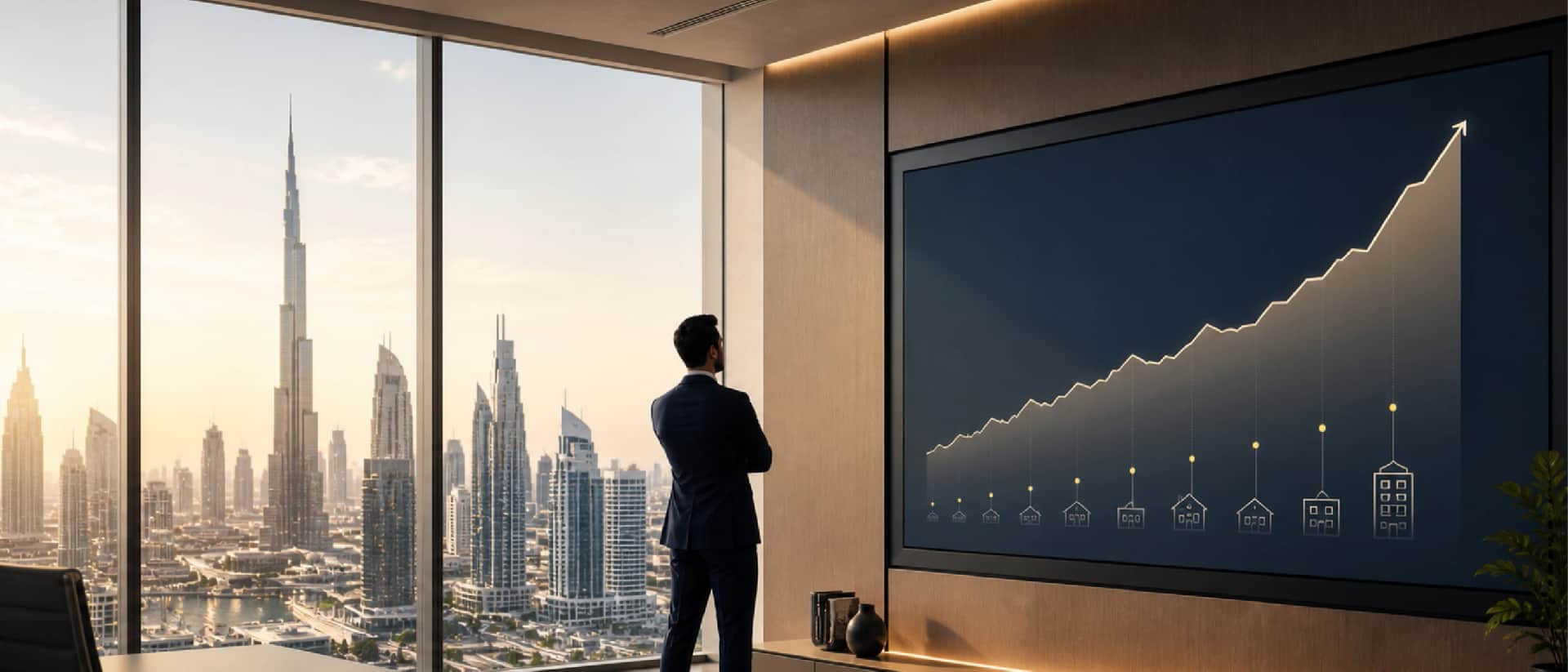
According to Dubai Land Department (DLD) statistics, the Dubai Property Market registered a sharp growth in April 2026, with total real estate transactions reaching AED 68.56 billion. It is more than a 20 percent month-on-month growth.
The surge is not a short-term spike but the result of structural demand drivers such as inflows of foreign investment, population growth, and sustained off-plan development activity across the masterplanned communities of the city of Dubai.
The Dubai Property Market has been able to exhibit its liquidity strength in both residential and commercial real estate segments. It will further help it to establish itself as one of the most dynamic global real estate hubs in 2026.