Adil Raza Khan | March 29, 2025
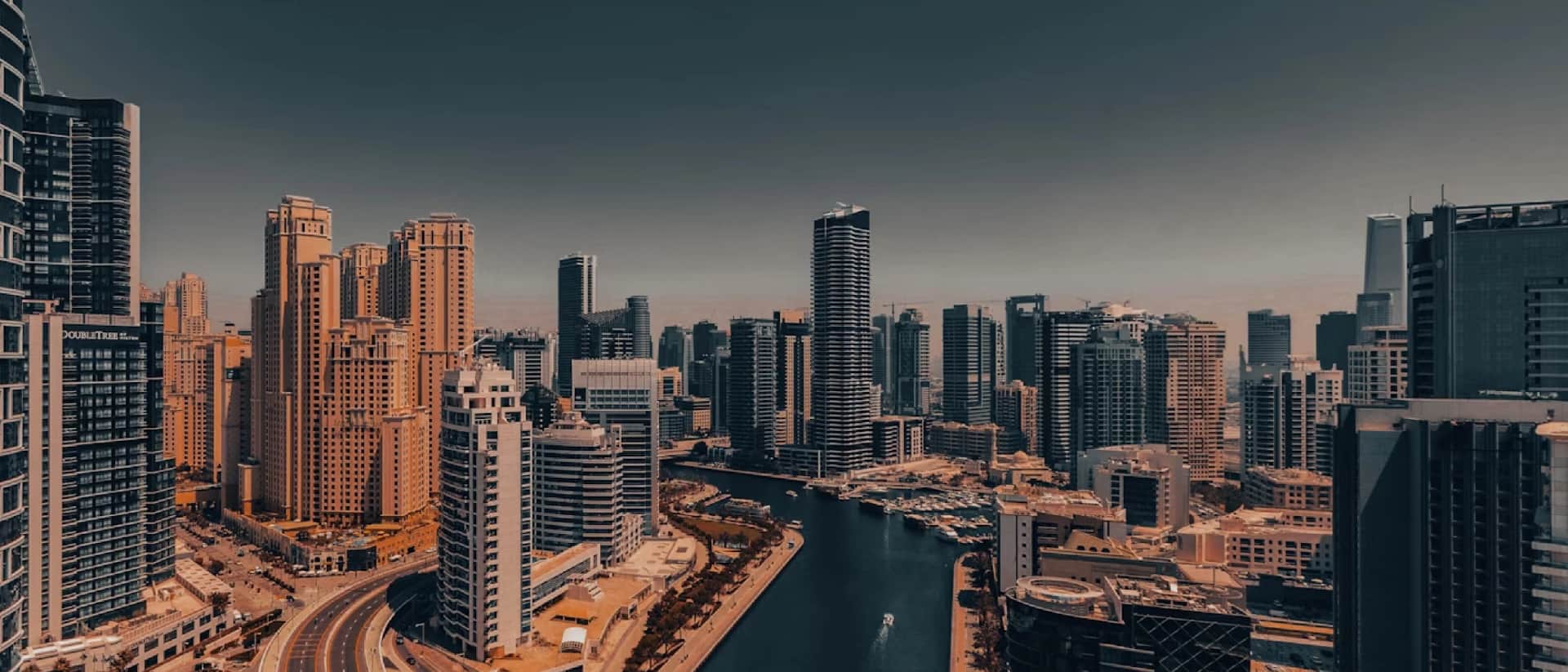
The Dubai government has instituted real estate laws addressing legal aspects for realtors and investors. This is to provide seamless property transactions. That’s why it’s important to understand the inheritance laws for Dubai real estate. This is essential for the investors and the buyers to have a comprehensive grasp of the property landscape in the dynamic Emirate.
Curated Opportunities
Flexible buying options for smarter property decisions.
Handpicked properties sorted for the strongest value.
Investment-focused listings with return potential.
Browse Dubai communities with properties for sale.
Dubai, a prominent emirate in the UAE, relies significantly on tourism and real estate for its economic prosperity. A thorough understanding of Dubai’s property laws is essential for successful property transactions.
The real estate laws in the UAE encompass various aspects of buying, selling, and owning properties in Dubai. If you’re considering a property purchase in Dubai, here are key points to keep in mind:
Buyers must to deposit 10% to 20% of the total property price during a purchase in Dubai.
In transactions involving newly constructed projects, payments are typically made in instalments as per the Real Estate laws in Dubai.
According to Dubai’s Real Estate laws, the transfer of funds to the vendor or a third party is a standard practice in property purchase contracts.
When making a property payment through the vendor, a 2% fee of the property price is applicable. In addition to these considerations, it’s crucial to be aware of three major Dubai property laws that every investor, seller, and buyer should understand before entering the Dubai real estate market. Furthermore, Dubai’s inheritance property laws play a significant role. It enables a seamless transfer of property rights to beneficiaries in the event of the owner’s demise.
Being well-versed in these regulations ensures a comprehensive approach to navigating the dynamic Dubai real estate landscape.
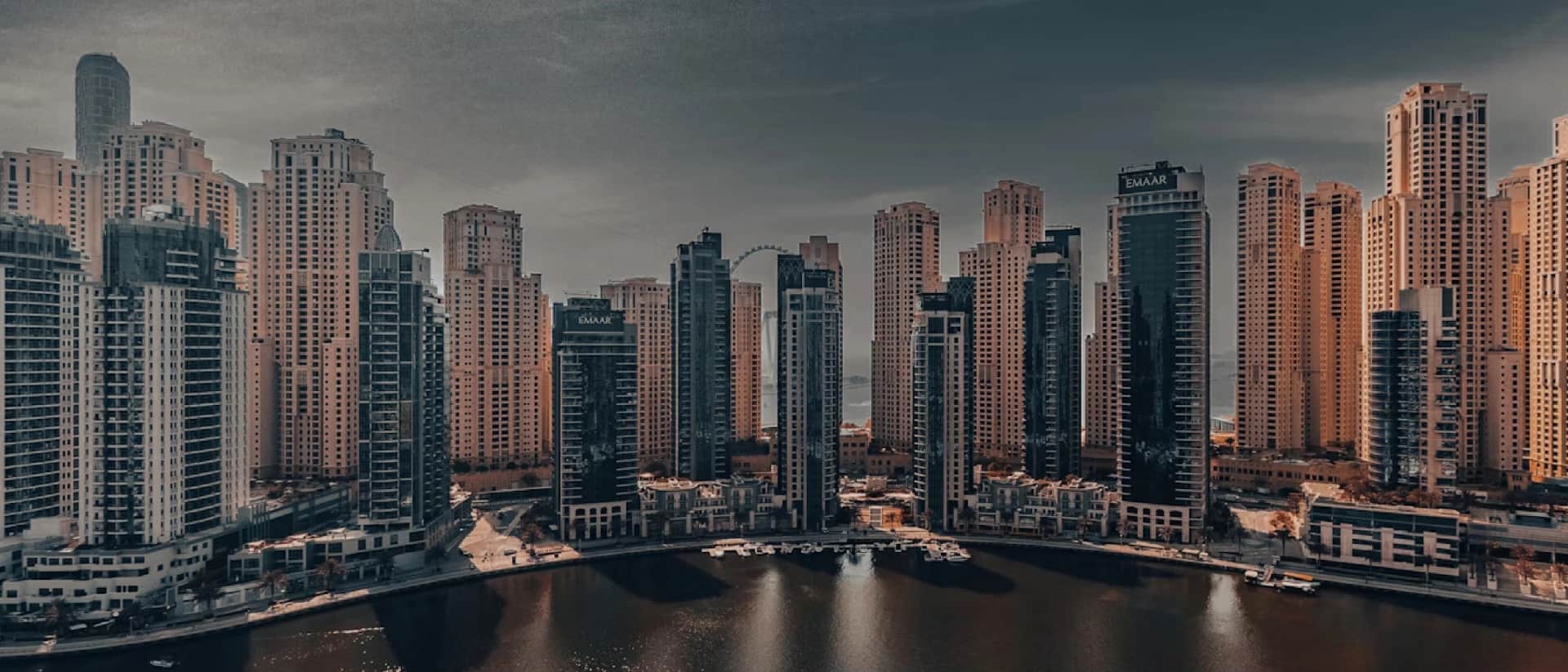
Historically, foreign investors faced complexity when purchasing property in Dubai. This is due to restrictions in the UAE property laws, which prohibits expatriates from ownership. In response to the increasing interest of expat investors in Dubai real estate, Sheikh Mohammad Bin Rashid Al Maktoum, the ruler of Dubai, introduces new Dubai Real Estate laws. These regulations now grant expatriates freehold lease rights for up to 99 years. This signifies a significant departure from previous restrictions.
Since the enactment of these laws, expats can own property in Dubai within designated freehold or leasehold areas. Also, it mirrors the property rights enjoyed by Dubai citizens throughout the city. These rights, whether freehold or leasehold, align with property ownership norms in other countries. Expatriates holding such properties have the liberty to utilize them during the lease period or indefinitely. Notably, expats can transfer these rights to dependents or any designated person, allowing for intergenerational property ownership.
In the event of the freeholder’s demise, beneficiaries are entitled to inherit the assets, subject to compliance with Dubai’s government regulations. Moreover, to maintain ownership of a freehold property in specific Dubai areas, investors must secure approvals from the current government of Dubai, ensuring compliance with local regulations. This nuanced approach to property ownership and inheritance laws for Dubai real estate reflects Dubai’s commitment to facilitating foreign investment while upholding legal integrity.
Best Project Finder
Filter opportunities by budget, property type, bedroom mix, and strategy to uncover projects aligned with your investment goals.
Disclaimer: The information above is for general informational purposes only and does not serve as legal advice.
The legal landscape is subject to change, and specific situations may require consultation with legal professionals. Readers need to seek legal counsel to obtain accurate and up-to-date information tailored to their individual circumstances. While efforts have been made to ensure the accuracy of the content, no guarantees are made regarding the completeness, accuracy, or suitability of the information provided.
Reliance on any information in this context is solely at the reader's own risk. In the Emirate of Dubai, the sale of residential properties inherited by heirs is regulated by two significant legal decrees. That is, Dubai Decree No. 23/2020 on the Regulation of the Sale of Residential Real Estates by the Heirs and Dubai Decree No. 25/2023 Establishing the Estate Court.
Dubai Decree No. 23/2020 – Regulation of the Sale of Residential Real Estates by the Heirs:
This decree specifically addresses the regulations governing the sale of residential properties inherited by heirs in Dubai.
It applies universally to all residential properties within Dubai. However, it excludes those granted under the Mohammed bin Rashid Housing Establishment.
Applying without distinction to designated and non-designated areas for foreign ownership, Dubai Decree No. 23/2020 is applicable to all nationalities. The decree ensures that the sale of inherited properties follows legal requirements, safeguarding the rights of all involved parties. That is, including heirs and potential buyers. It outlines precise procedures and required documentation to initiate and conclude the sale transaction.
It aims prevent fraudulent practices and promote transparency in the real estate market. The law lays its roots in the principles of active governance and works to maintain the integrity of inheritance property laws in Dubai. This, in turn, fosters a secure and fair environment for property transactions.
Navigating the legal procedures for selling inherited property in the dynamic real estate landscape of Dubai requires a keen understanding of the governing laws. Dubai Decree No. 23/2020 plays a pivotal role in regulating the sale of residential properties by heirs, ensuring a transparent and lawful process for all involved parties, regardless of nationality.
As the real estate market continues to evolve, these legal frameworks underscore Dubai's commitment to maintaining integrity and fairness in property transactions. Investors, heirs, and potential buyers alike can find assurance in the procedures outlined by the decree, promoting a secure environment that upholds the principles of inheritance property laws in Dubai.
It is important to note that the information here serves as a general guide, and individuals need to seek professional legal advice to address specific circumstances. By staying informed and engaging with legal experts, stakeholders can navigate the complexities of selling inherited property in Dubai with confidence and compliance.

WRITTEN BY
Adil Raza Khan is a Dubai luxury real estate expert with over 13 years of experience in the UAE property market. He is the Chairman of APIL Properties.
Investment Finder
Use smart filters to discover Dubai projects matched to your investment goals.
Try the Investment Finder
The Dubai Real Estate Market is set to see record-breaking momentum with transaction value reaching AED139.2 billion in Q1 2026—fueled by strong off-plan demand, foreign capital inflows, and increasing end-user activity.
Dubai is keeping its lead over other property hubs around the world thanks to its investor-friendly policies and the high potential for returns, as noted in market reports by Arabian Business and major brokerage data providers.
The Dubai Real Estate Market is not only expanding in terms of volume but also gaining greater value and quality as buyers are increasingly looking towards projects that are supported by infrastructure, credibility of the developers, and potential appreciation of capital value.
The Dubai Real Estate boom has evolved into a more stable, investment-driven cycle thanks to this structural shift in demand.

Capital appreciation in Dubai property market is the rise in property value over time, influenced by factors such as demand, location development, and macroeconomic conditions. To an investor, it is the money gained by selling the property for more than the initial investment.
Simply put, when you buy real estate in Dubai, and the value of that property improves over the next several years, then that gain in value is your capital appreciation. In Dubai, however, this concept has more than just the notion of price growth; it is correlated to infrastructure growth, off-plan deals, and demand from investors all over the world.
Dubai has emerged as one of the world's most vibrant real estate markets. It is offering opportunities for both immediate profit and future investment and wealth. For anyone interested in investing strategically in Dubai properties instead of speculatively, it is crucial to understand the concept of capital appreciation in the local real estate market.

According to Dubai Land Department (DLD) statistics, the Dubai Property Market registered a sharp growth in April 2026, with total real estate transactions reaching AED 68.56 billion. It is more than a 20 percent month-on-month growth.
The surge is not a short-term spike but the result of structural demand drivers such as inflows of foreign investment, population growth, and sustained off-plan development activity across the masterplanned communities of the city of Dubai.
The Dubai Property Market has been able to exhibit its liquidity strength in both residential and commercial real estate segments. It will further help it to establish itself as one of the most dynamic global real estate hubs in 2026.