Adil Raza Khan | March 29, 2025
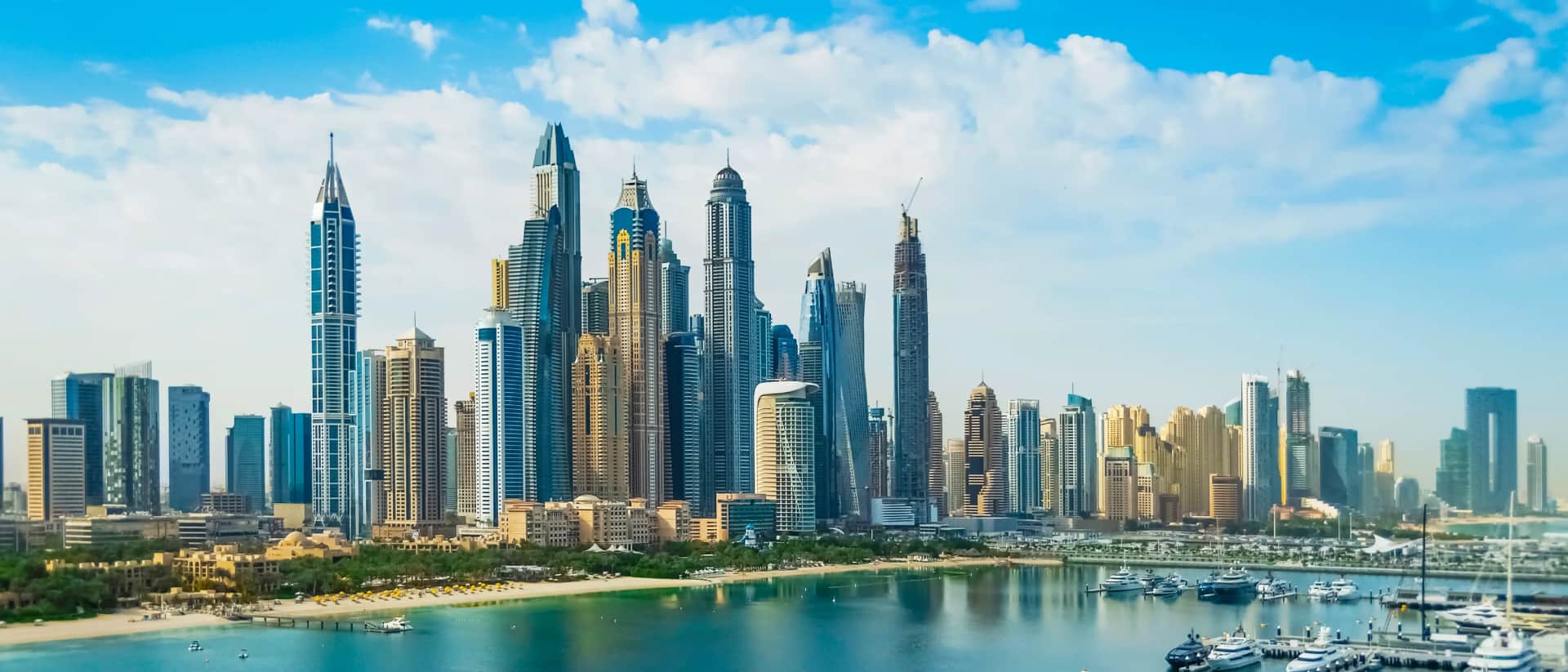
Understanding shifts in real estate demands and preferences in Dubai is essential in this modern dynamic world. This is especially true in a booming city like Dubai. This knowledge can help real estate agents, homeowners, and investors make well-informed decisions. Recognizing the market’s changing real estate preferences and demands allows stakeholders to stay ahead of the curve.
Thus, aligning their strategies with the ever-changing dynamics of the real estate industry. Exploring the dynamics behind these shifts is vital for anybody navigating Dubai’s real estate market. Economic, social, and environmental factors influence the real estate demands trends in the city.
Curated Opportunities
Flexible buying options for smarter property decisions.
Handpicked properties sorted for the strongest value.
Investment-focused listings with return potential.
Browse Dubai communities with properties for sale.
The real estate market in Dubai is changing significantly. This is a result of the rapidly increasing population of the city and its shifting demographics. The city’s housing preferences and expectations are due to the influx of different populations, especially expatriates and young professionals.
Furthermore, the necessity for more affordable housing options becomes apparent as the population grows. The changing demographics influence not only the number but also the character of housing requirements. Hence, directing developers and investors to create a variety of living spaces that cater to Dubai's dynamic needs. Moreover, it’s important for stakeholders navigating Dubai's changing real estate market to understand how demographics affect real estate preferences. The desires and lifestyles of its citizens change as the population diversity changes.
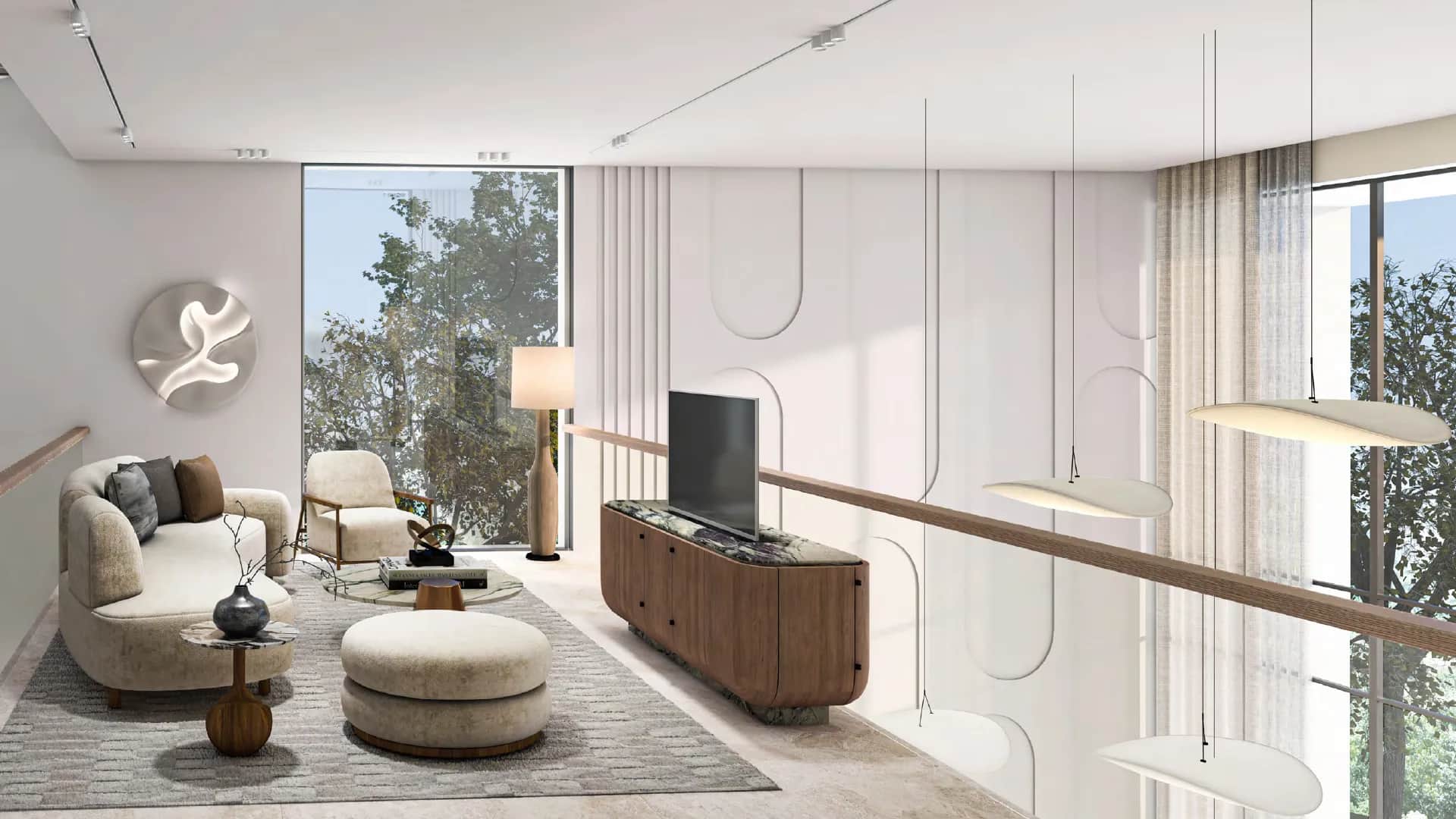
For example, the younger demographic frequently desires modern amenities and flexible living areas. This also influences the creation of Smart home technology in Dubai and community facilities. By remaining aware of these demographic shifts, real estate professionals may modify their portfolios to meet changing demand. By doing so, Dubai's housing market stays dynamic and responsive to the desires of its increasing population.
The shift in work culture toward remote working has transformed the way we work and the Dubai real estate demands environment. As more people work from home, there is a growing need for homes that can also be office spaces. Now, more people want houses with separate home offices, comfortable design, and fast internet connection. This trend is changing the traditional understanding of residential spaces. Fortunately, real estate developers adapt quickly. They include these factors into their designs to satisfy the changing needs of individuals.
Dubai’s ever-changing real estate environment is seeing a notable shift in property preferences. The appeal of panoramic views, modern facilities, and efficient use of space allures people to apartments living in skyscrapers. On the other hand, some people still enjoy the appeal of low-rise structures. They enjoy the sense of community and a more intimate neighborhood atmosphere.
However, apartments are gaining appeal among individuals wanting a modern and hassle-free lifestyle. This type offers convenience, security features, and lesser maintenance. Meanwhile, standalone luxurious homes continue to have a particular place for people seeking solitude. As well as a personal yard, and a more traditional living experience.
Furthermore, the growth of mixed-use developments represents an important change. These developments provide a holistic lifestyle by integrating residential, commercial, and leisure. It features a single neighborhood reflecting the growing desire for simplicity and easy access. Overall, real estate developers are carefully navigating the variety of preferences. They give a vast range of options to suit the many interests of Dubai's residents. Therefore, ensuring that the city's property market stays inclusive and adaptable to various lifestyle choices.
Dubai’s property market is rapidly evolving due to the growing need for modern amenities in homes. This also drives a shift in buyer preferences for Smart home technology in Dubai.Accordingly, smart home system integration enables remote management and automation of many household operations ranging from lighting and climate control to security systems. To add, this technologically advanced technique improves the overall living experience. It also has a substantial impact on property selection.
Homebuyers are increasingly interested in properties that have energy-efficient appliances, smart security solutions, and the simplicity of managing daily tasks via mobile applications. In essence, the desire for seamless integration of technology into houses is growing. And real estate developers in Dubai are embracing these innovations perfectly. This is to ensure that their residences meet the modern lifestyle demands of tech-savvy consumers.
Best Project Finder
Filter opportunities by budget, property type, bedroom mix, and strategy to uncover projects aligned with your investment goals.
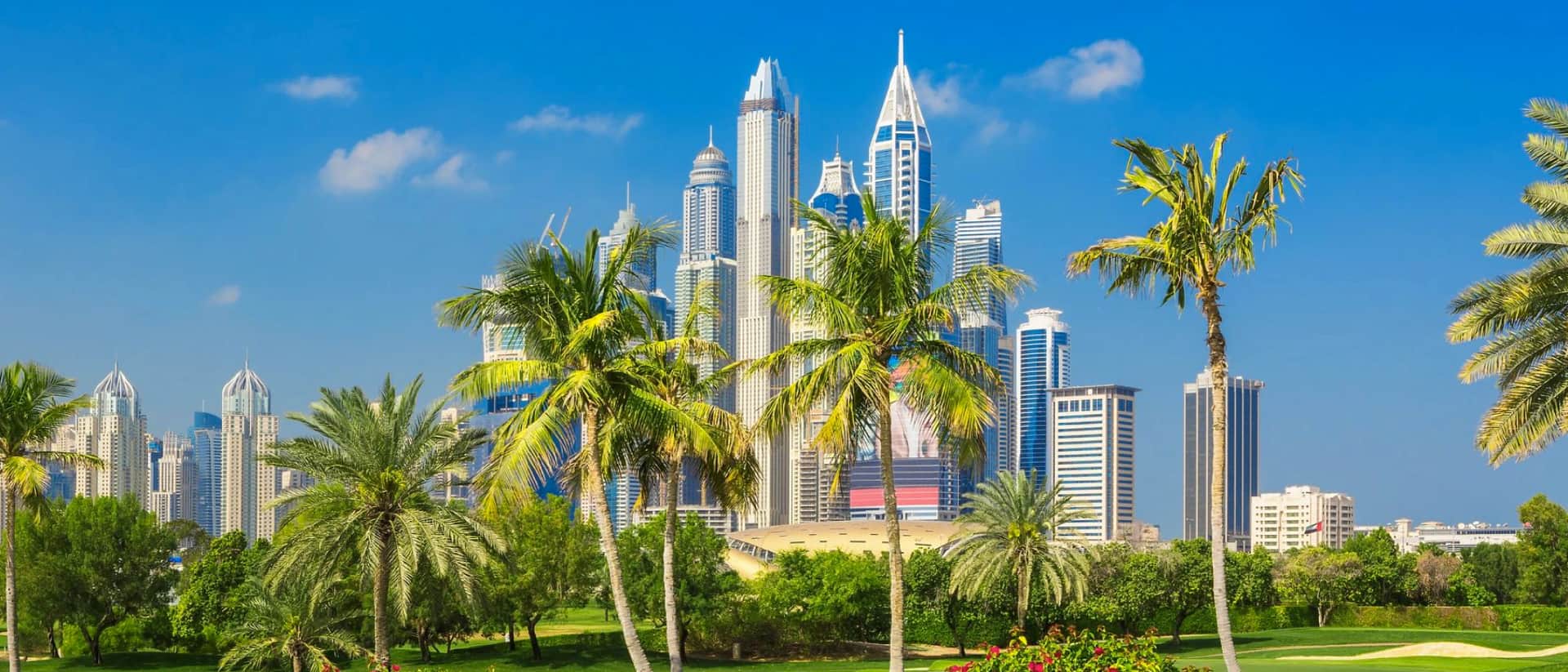
The demand for eco-friendly and energy-efficient real estate demands in Dubai is rising. Together, environmental issues become more widely recognized as well. Homebuyers and investors are increasingly concerned with sustainable living choices. Therefore, they are looking for properties that reduce their carbon footprint and promote green living.
Accordingly, this transition is a result of the increasing popularity of buildings provided with energy-efficient appliances, solar panels, and environmentally friendly building materials. Sustainable living choices are more than a passing trend but rather a reflection of a dedication to living responsibly. As a result, Dubai's real estate developers are reacting to this demand. As a result, they implement environmentally friendly features into their developments
Developers are proactively adjusting to emerging property trends in Dubai. This is a proactive strategy the developers use because of the quick evolution of preferences. This contributes to various causes like technology, sustainability, and cultural nuances. Moreover, real estate demands developers are actively influencing the future of urban living.
They do this by catering the various demands of residents and investors, rather than just responding to market trends. Additionally, this flexibility reflects the diverse portfolio of projects, with developers presenting a variety of housing options. That is, ranging from smart homes with cutting-edge technologies to eco-friendly communities.
Current trends include a growing preference for sustainable and smart homes. This also includes increased interest in community living, and a focus on integrated amenities.
The demand for property types has shifted, with increased interest rates in apartments offering smart home features and sustainable design. As well as villas with spacious outdoor areas.
Economy, lifestyle, government, and world events can affect real estate demands and preferences.
New neighborhoods with good planning, parks, and nearby amenities are in high demand among people buying homes and investors.
The preference for sustainable and green features has led to a surge in demand for eco-friendly homes. As well as smart technologies, and green spaces building certifications. Thus, influencing both the residential and commercial real estate sector.

WRITTEN BY
Adil Raza Khan is a Dubai luxury real estate expert with over 13 years of experience in the UAE property market. He is the Chairman of APIL Properties.
Investment Finder
Use smart filters to discover Dubai projects matched to your investment goals.
Try the Investment Finder
The Dubai Real Estate Market is set to see record-breaking momentum with transaction value reaching AED139.2 billion in Q1 2026—fueled by strong off-plan demand, foreign capital inflows, and increasing end-user activity.
Dubai is keeping its lead over other property hubs around the world thanks to its investor-friendly policies and the high potential for returns, as noted in market reports by Arabian Business and major brokerage data providers.
The Dubai Real Estate Market is not only expanding in terms of volume but also gaining greater value and quality as buyers are increasingly looking towards projects that are supported by infrastructure, credibility of the developers, and potential appreciation of capital value.
The Dubai Real Estate boom has evolved into a more stable, investment-driven cycle thanks to this structural shift in demand.
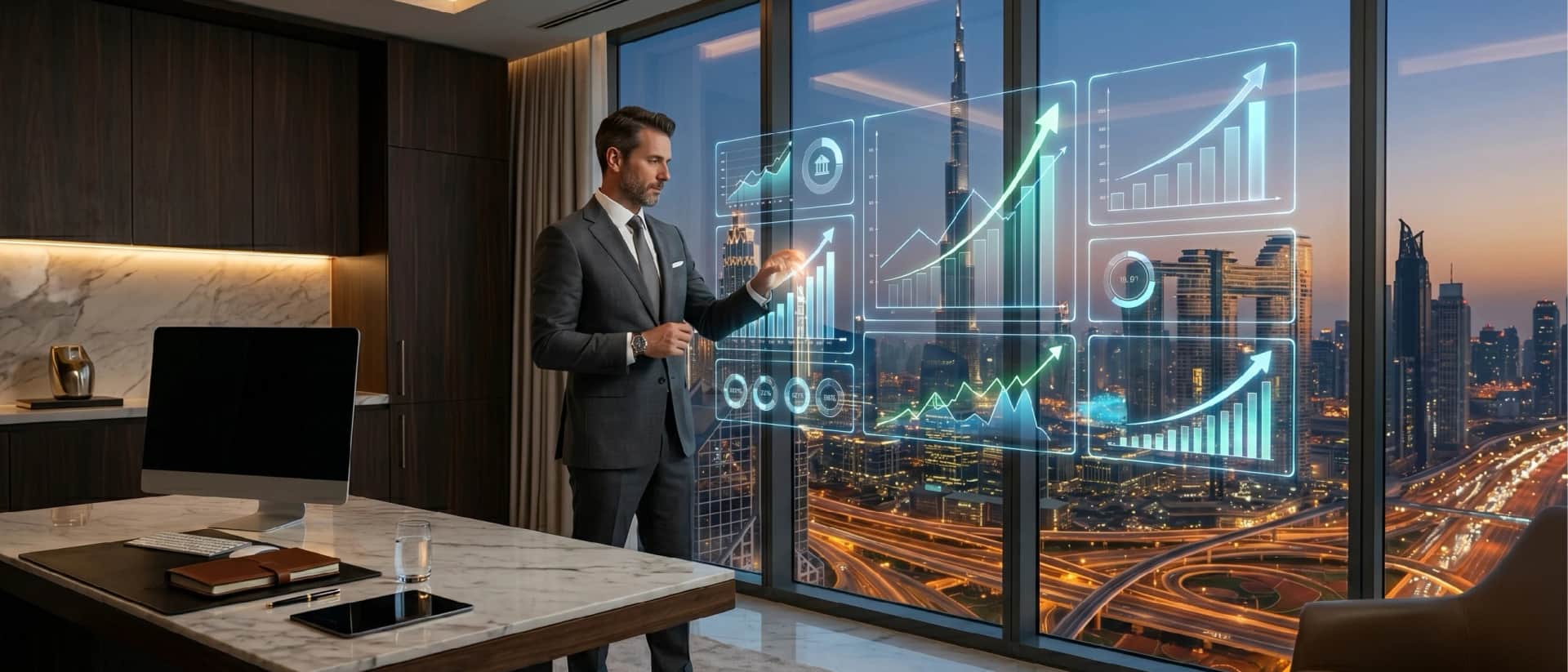
Capital appreciation in Dubai property market is the rise in property value over time, influenced by factors such as demand, location development, and macroeconomic conditions. To an investor, it is the money gained by selling the property for more than the initial investment.
Simply put, when you buy real estate in Dubai, and the value of that property improves over the next several years, then that gain in value is your capital appreciation. In Dubai, however, this concept has more than just the notion of price growth; it is correlated to infrastructure growth, off-plan deals, and demand from investors all over the world.
Dubai has emerged as one of the world's most vibrant real estate markets. It is offering opportunities for both immediate profit and future investment and wealth. For anyone interested in investing strategically in Dubai properties instead of speculatively, it is crucial to understand the concept of capital appreciation in the local real estate market.
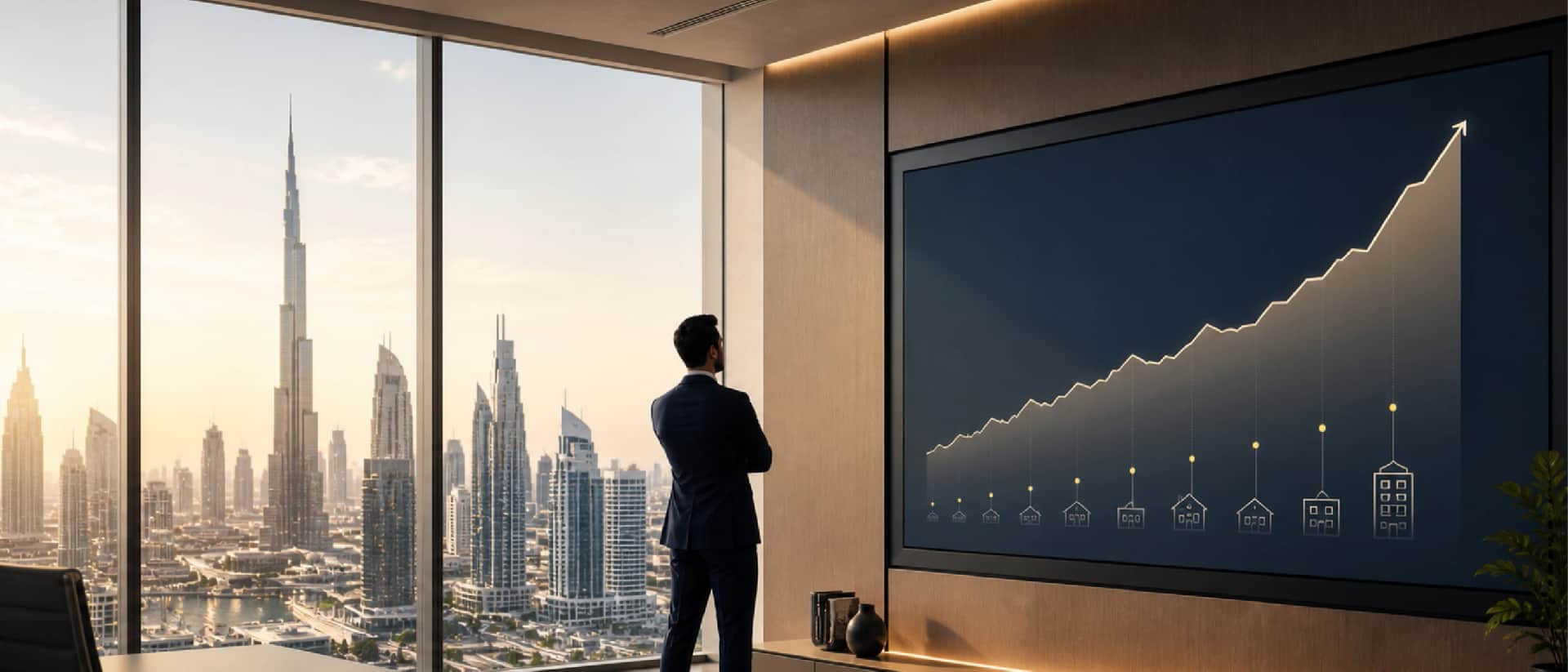
According to Dubai Land Department (DLD) statistics, the Dubai Property Market registered a sharp growth in April 2026, with total real estate transactions reaching AED 68.56 billion. It is more than a 20 percent month-on-month growth.
The surge is not a short-term spike but the result of structural demand drivers such as inflows of foreign investment, population growth, and sustained off-plan development activity across the masterplanned communities of the city of Dubai.
The Dubai Property Market has been able to exhibit its liquidity strength in both residential and commercial real estate segments. It will further help it to establish itself as one of the most dynamic global real estate hubs in 2026.