Adil Raza Khan | March 29, 2025

Sectional title property is a concept that may not be very well-known to investors and buyers. This is a form of property ownership that strikes a balance between individual and shared ownership.
In essence, a sectional title property allows you to own a specific unit (e.g., apartment or townhouse) within a larger complex or development. Meanwhile, you also share ownership of common areas (e.g., parking lots, lobbies, elevators, gardens). Let’s ponder on how sectional title works, how it differentiates between freehold property, and its pros and cons.
Curated Opportunities
Flexible buying options for smarter property decisions.
Handpicked properties sorted for the strongest value.
Investment-focused listings with return potential.
Browse Dubai communities with properties for sale.
In its core, sectional title property is a model of ownership popular in modern developments. These sectional title properties include apartment buildings, townhouses, and more. This means that you will get exclusive ownership to a specific unit but are also responsible, along with other owners, for the communal areas. It brings about convenience and a sense of community between property owners.
Additionally, a sectional title property model is usually composed of three main elements.
To fully grasp what sectional title property is, it is important to compare it with freehold property ownership. Let’s discuss the sectional title and freehold in detail for better understanding.
With freehold property, you own both the property and the land it’s built on. You also have full control and responsibility over the property. This includes all decisions, maintenance, insurance, utility bills, and modifications. Moreover, freehold properties mostly refer to villas, standalone homes, cluster homes, and more.
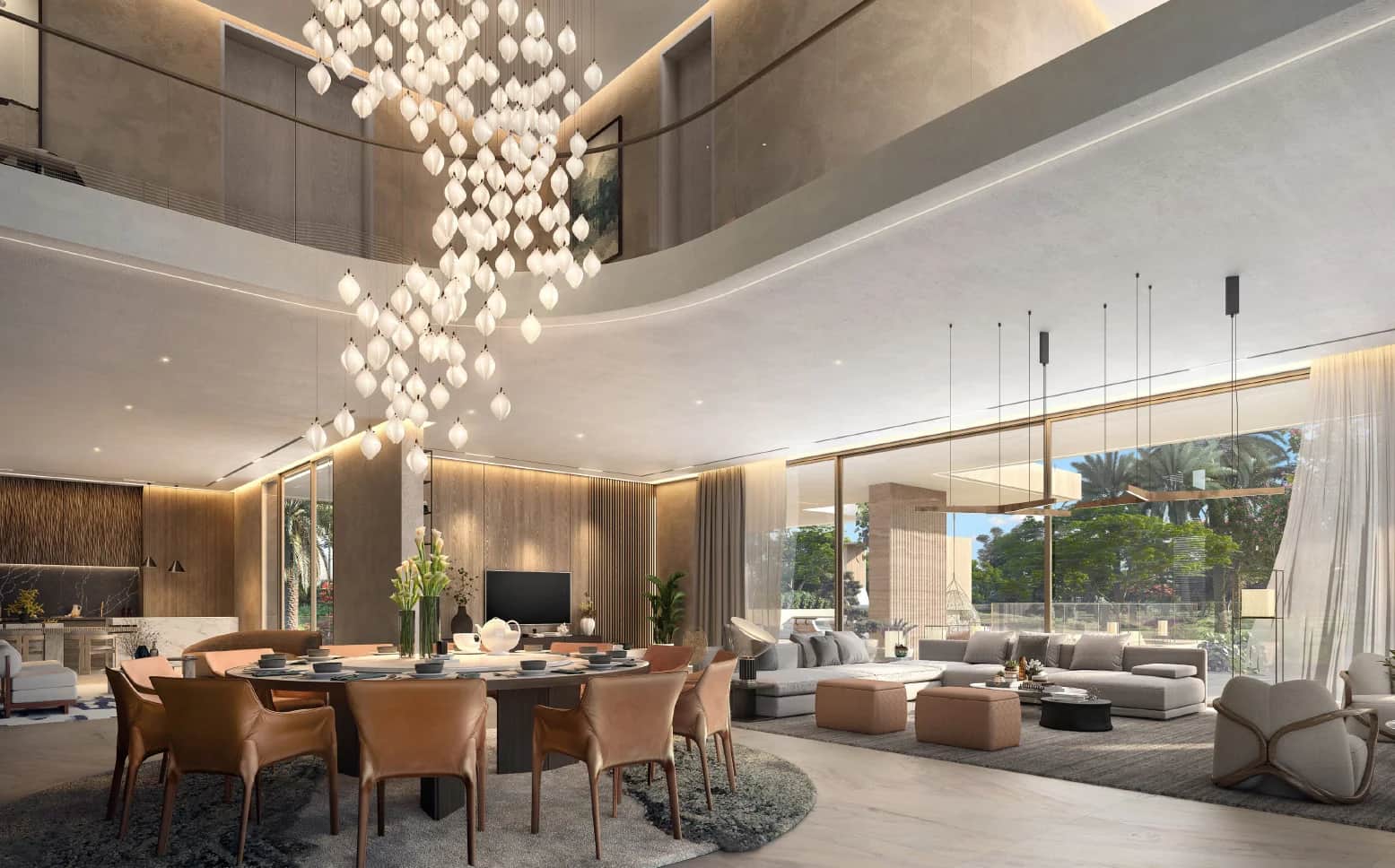
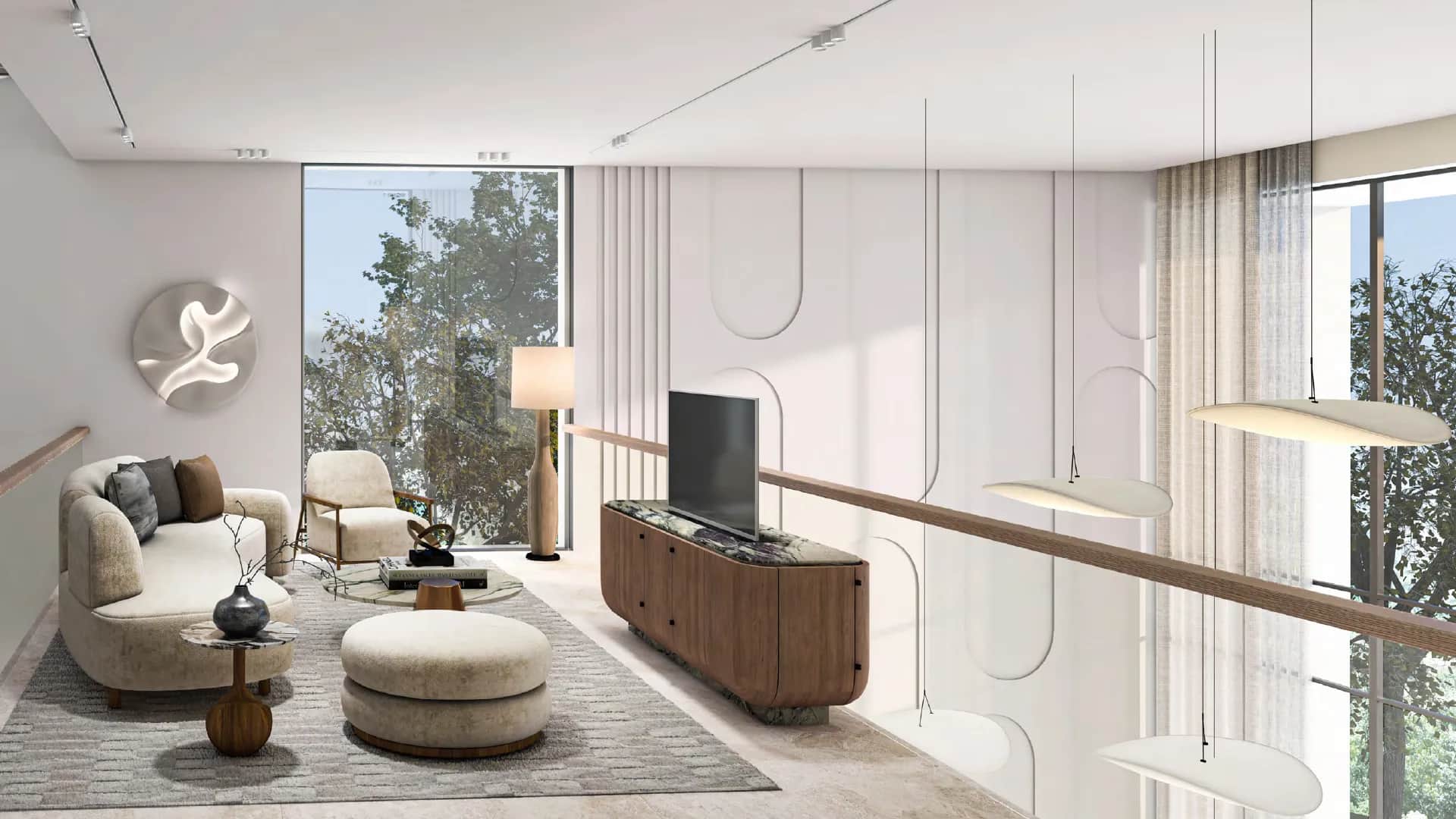
In sectional title property, you own a specific “section” or “unit” within a larger development or building. This could be an apartment, townhouse, or residence that’s part of a shared complex.While you hold exclusive ownership to your unit, you share ownership of the common areas with other unit owners. These common areas include amenities like gym facilities, swimming pools, gardens, and more.
Moreover, the maintenance and management of the common areas are usually handled by the committee of unit owners. The upkeep will then be paid through the contributions from all the unit owners.
One of the advantages of sectional title property is its affordability and convenience. Usually, these properties are more affordable than owning both units and land. Plus, there’s also the convenience from shared responsibilities for the upkeep of common areas. Another benefit is the access to amenities that might be too expensive to maintain on your own. In many complexes and developments, you’ll have shared access to amenities like gyms, tennis courts, 24-hour security services, and more. You’ll only have to pay for the portion of the overall cost of maintaining the condition of these amenities.
Moreover, sectional title properties often have tight security and are located in prime areas. This offers you peace of mind and great connectivity.
Despite the many perks, sectional title property does come with some limitations. The biggest drawback is that you have less control over your property. You might find it hard to make changes in your property, host events, or even adopt a pet. Additionally, since the management of communal areas is managed by a body corporate, there are cases when owners feel it’s not managed properly. Plus, maintenance fees that you pay monthly may increase over time, which can impact your budget.
Furthermore, for changes in rules and regulations, you might have limited influence as an individual. Lastly, living close to others may not be all too pleasing for you as well, which can cause you stress.
Best Project Finder
Filter opportunities by budget, property type, bedroom mix, and strategy to uncover projects aligned with your investment goals.

Overall, sectional title property in Dubai is a unique form of ownership that blends exclusive and shared responsibilities. It’s an excellent choice if you want the convenience of community living with premium amenities without high individual maintenance costs. However, it does have limitations when it comes to making changes and freedom. If you’re considering purchasing a sectional title property, it’s important to weigh the advantages and disadvantages to see if it fits your lifestyle and long-term plans.
Additionally, if you’re looking for properties or want expert advice on real estate investment in Dubai, APIL Properties is here to guide you. Our expertise and extensive experience can help you navigate the complexities of sectional title ownership.
Sectional title property allows you to own a specific unit within a larger complex or development.
The main criteria that differentiate sectional title from freehold are ownership type, maintenance responsibility, and extent of control.
Sectional title properties are typically more affordable, with a variety of amenities within the larger development or complex. Most of these complexes offer heightened security and shared maintenance costs for communal areas.

WRITTEN BY
Adil Raza Khan is a Dubai luxury real estate expert with over 13 years of experience in the UAE property market. He is the Chairman of APIL Properties.
Investment Finder
Use smart filters to discover Dubai projects matched to your investment goals.
Try the Investment Finder
The Dubai Real Estate Market is set to see record-breaking momentum with transaction value reaching AED139.2 billion in Q1 2026—fueled by strong off-plan demand, foreign capital inflows, and increasing end-user activity.
Dubai is keeping its lead over other property hubs around the world thanks to its investor-friendly policies and the high potential for returns, as noted in market reports by Arabian Business and major brokerage data providers.
The Dubai Real Estate Market is not only expanding in terms of volume but also gaining greater value and quality as buyers are increasingly looking towards projects that are supported by infrastructure, credibility of the developers, and potential appreciation of capital value.
The Dubai Real Estate boom has evolved into a more stable, investment-driven cycle thanks to this structural shift in demand.

Capital appreciation in Dubai property market is the rise in property value over time, influenced by factors such as demand, location development, and macroeconomic conditions. To an investor, it is the money gained by selling the property for more than the initial investment.
Simply put, when you buy real estate in Dubai, and the value of that property improves over the next several years, then that gain in value is your capital appreciation. In Dubai, however, this concept has more than just the notion of price growth; it is correlated to infrastructure growth, off-plan deals, and demand from investors all over the world.
Dubai has emerged as one of the world's most vibrant real estate markets. It is offering opportunities for both immediate profit and future investment and wealth. For anyone interested in investing strategically in Dubai properties instead of speculatively, it is crucial to understand the concept of capital appreciation in the local real estate market.
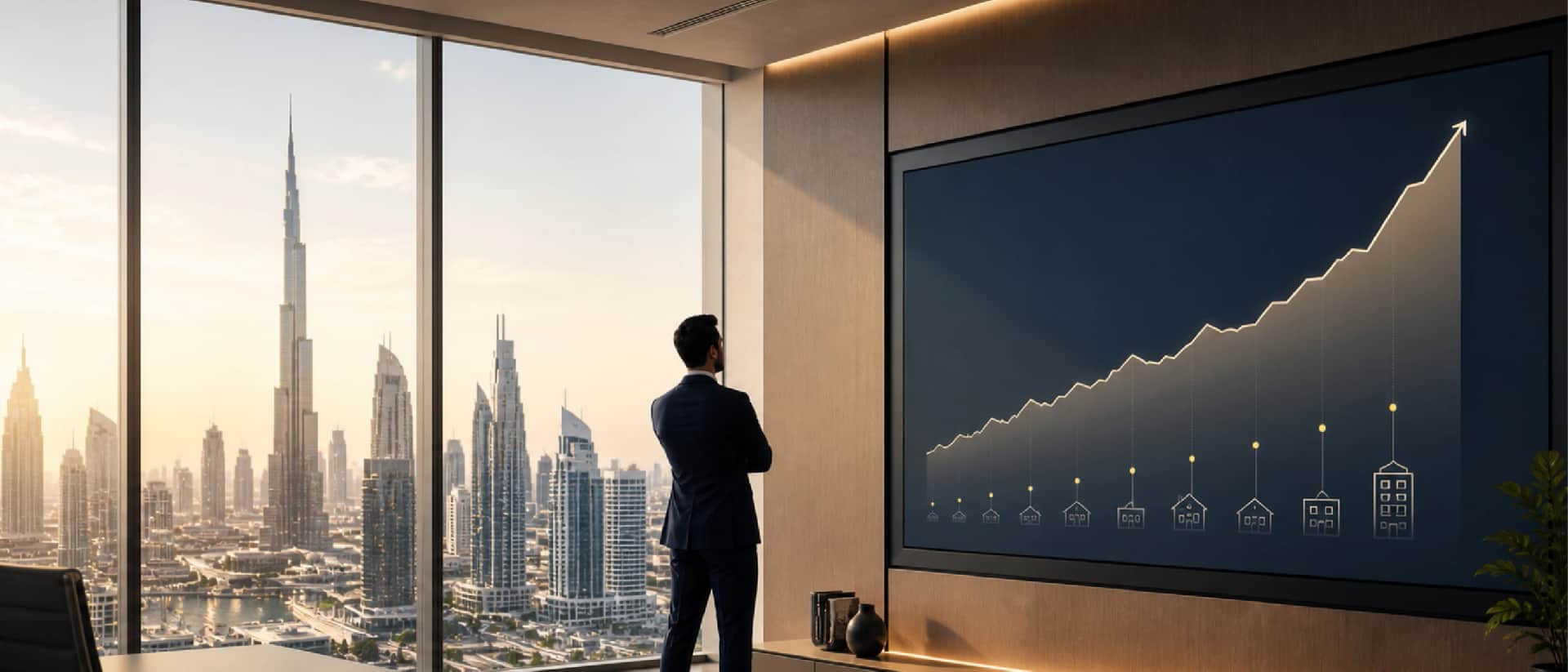
According to Dubai Land Department (DLD) statistics, the Dubai Property Market registered a sharp growth in April 2026, with total real estate transactions reaching AED 68.56 billion. It is more than a 20 percent month-on-month growth.
The surge is not a short-term spike but the result of structural demand drivers such as inflows of foreign investment, population growth, and sustained off-plan development activity across the masterplanned communities of the city of Dubai.
The Dubai Property Market has been able to exhibit its liquidity strength in both residential and commercial real estate segments. It will further help it to establish itself as one of the most dynamic global real estate hubs in 2026.