Adil Raza Khan | March 29, 2025
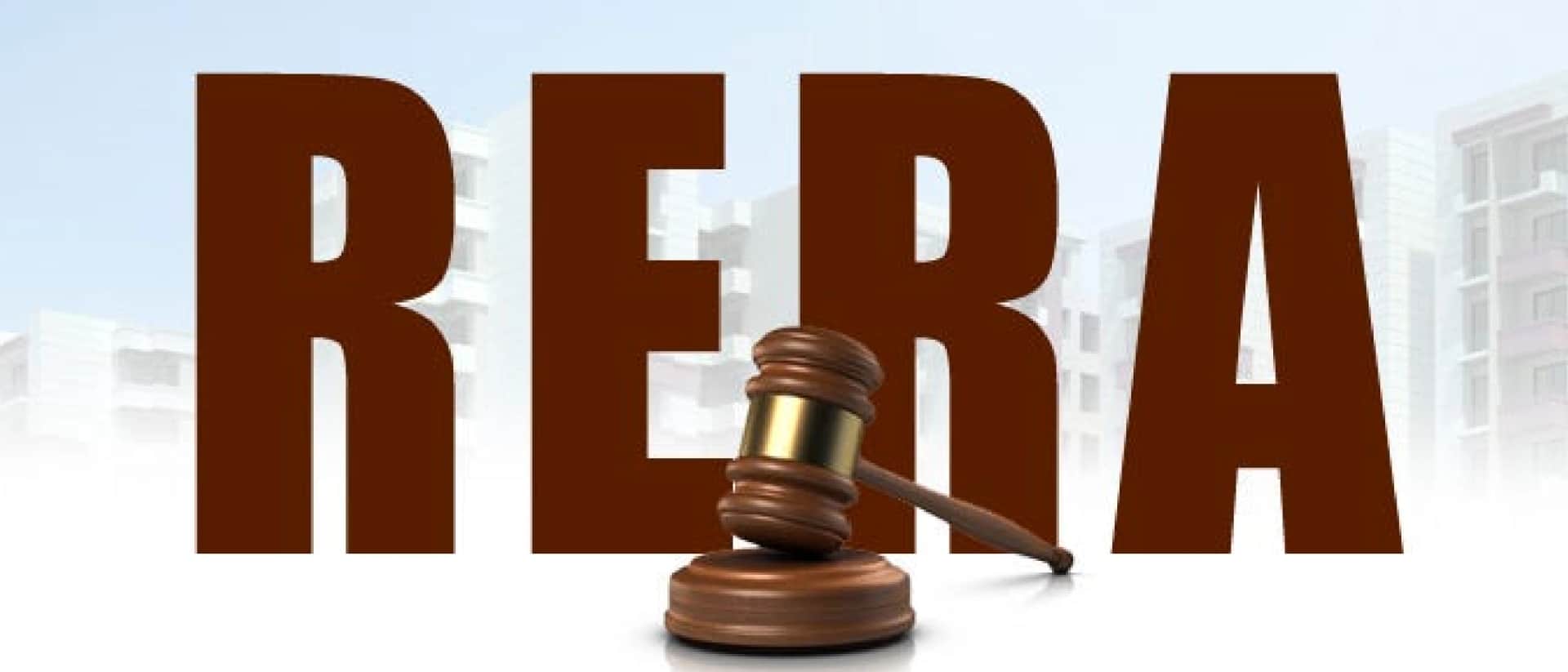
Dubai Real Estate Agency (RERA), formed in 2007, oversees and manages the property sector in Dubai. It develops policies and strategies to attract foreign investments and resolves conflicts between tenants and landlords. The agency operates independently, managing its finances and possessing full legal authority to regulate the real estate sector in Dubai.
Curated Opportunities
Flexible buying options for smarter property decisions.
Handpicked properties sorted for the strongest value.
Investment-focused listings with return potential.
Browse Dubai communities with properties for sale.
In Dubai, people often refer to the Dubai “real estate regulatory agency” RERA, which stands for the Department of Land and Property’s regulatory branch. Established by H.H. Sheikh Mohammed Bin Rashid Al Maktoum, the Ruler of Dubai and Vice President and Prime Minister of the UAE, it provides a clear legal framework for everyone involved in Dubai’s real estate industry.
Dubai Real Estate Agency (RERA), works to create a user-friendly online community for renters, buyers, property developers, and real estate investors.
It also facilitates collaboration for auxiliary industries like banks, law offices, and insurance, making the real estate process smoother for all.
Dubai Real Estate Regulatory Agency, or RERA, has crucial responsibilities, such as granting licenses to real estate agencies in Dubai and overseeing the trust accounts of real estate developers.
Regulatory standards in Dubai play a key role in registering and regulating lease agreements, ensuring a fair and transparent process for tenants and landlords.
Additionally, RERA supervises associations of owners managing various buildings in the emirate, contributing to the orderly functioning of property management. The agency publishes insightful studies on the property sector, providing valuable information for stakeholders.
It also takes charge of supervising property advertisements in the mass media, ensuring accuracy and compliance – real estate transparency in Dubai. RERA goes beyond by licensing real estate exhibitions, fostering national participation in Dubai's realty sector. This initiative promotes collaboration and growth within the real estate community.
Furthermore, the agency plays a vital role in informing the public about regulatory acts related to buying or renting real estate, enhancing awareness and understanding among residents and investors alike.
Before you finalize your rental agreement in Dubai, it’s essential to understand the rules set by the Dubai Real Estate Regulatory Agency (RERA). RERA, as the regulatory branch of the Dubai Land Department, oversees tenancy regulations in the city, defining the rights of tenants, obligations of landlords, and the overall dynamics between them about Real Estate Regulations in Dubai.
Best Project Finder
Filter opportunities by budget, property type, bedroom mix, and strategy to uncover projects aligned with your investment goals.
Understanding these Dubai Real Estate Regulatory Agency RERA guidelines is crucial for anyone looking to rent property in Dubai, as they form the legal basis for landlord-tenant relationships and dispute resolution. It’s a fundamental aspect of ensuring a transparent and fair rental process in the emirate.
Dubai Real Estate Agency, governed by Law No. 26 of 2007, oversees tenancy rules in Dubai, applying to all rented properties within the emirate, excluding hotel lodgings and properties provided free of charge to workers by their organizations. The regulations set by RERA make it easier to amend rental contract terms.
According to RERA guidelines, specifying the duration of the lease contract is crucial. Without a clear term, explaining the intended length becomes challenging. However, the rental agreement remains in force for the specified time until rent payment.

If the landlord has no objections, tenants can make amendments to the lease duration for an additional year or the same period, whichever is shorter. It’s essential, though, for both parties, tenant and landlord, to unanimously agree on these modifications to ensure a smooth adjustment of the lease terms. Understanding and adhering to these guidelines contribute to a transparent and cooperative rental process in Dubai. It also adds on the property transaction transparency.In summary, Dubai Real Estate Regulatory Agency (RERA), established by Law No. 26 of 2007, is instrumental in governing tenancy rules in Dubai.
Applying to all rented properties, excluding specific cases, RERA's guidelines simplify the modification of rental contract terms. Emphasizing the importance of specifying lease duration, Dubai Real Estate Regulatory Agency RERA facilitates a collaborative approach, allowing tenants and landlords to amend terms, provided both parties unanimously agree. This ensures a transparent and fair rental process in Dubai, underscoring RERA's vital role in fostering a balanced relationship between landlords and tenants in the city's real estate sector

WRITTEN BY
Adil Raza Khan is a Dubai luxury real estate expert with over 13 years of experience in the UAE property market. He is the Chairman of APIL Properties.
Investment Finder
Use smart filters to discover Dubai projects matched to your investment goals.
Try the Investment Finder_1783320909.webp&w=1920&q=65)
Capital appreciation in Dubai property market is the rise in property value over time, influenced by factors such as demand, location development, and macroeconomic conditions. To an investor, it is the money gained by selling the property for more than the initial investment.
Simply put, when you buy real estate in Dubai, and the value of that property improves over the next several years, then that gain in value is your capital appreciation. In Dubai, however, this concept has more than just the notion of price growth; it is correlated to infrastructure growth, off-plan deals, and demand from investors all over the world.
Dubai has emerged as one of the world's most vibrant real estate markets. It is offering opportunities for both immediate profit and future investment and wealth. For anyone interested in investing strategically in Dubai properties instead of speculatively, it is crucial to understand the concept of capital appreciation in the local real estate market.
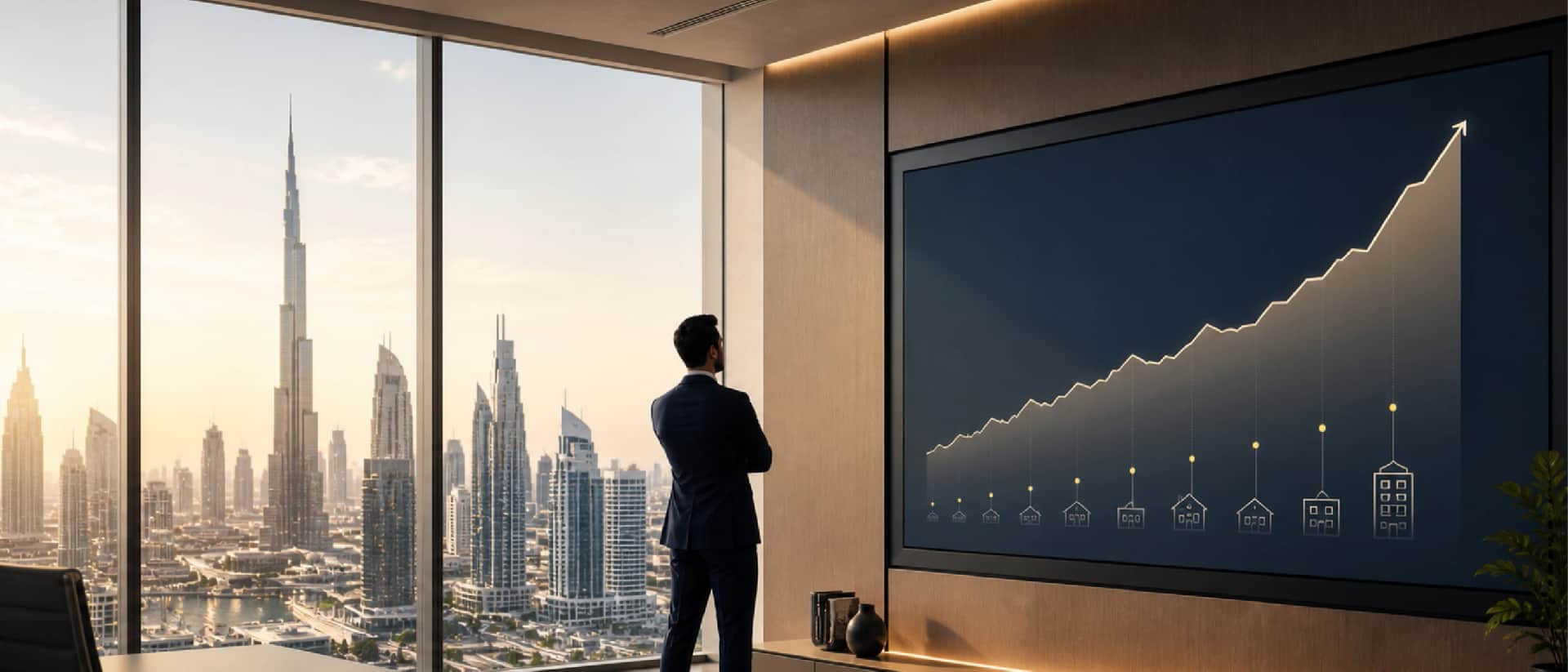
According to Dubai Land Department (DLD) statistics, the Dubai Property Market registered a sharp growth in April 2026, with total real estate transactions reaching AED 68.56 billion. It is more than a 20 percent month-on-month growth.
The surge is not a short-term spike but the result of structural demand drivers such as inflows of foreign investment, population growth, and sustained off-plan development activity across the masterplanned communities of the city of Dubai.
The Dubai Property Market has been able to exhibit its liquidity strength in both residential and commercial real estate segments. It will further help it to establish itself as one of the most dynamic global real estate hubs in 2026.

Yes - investing in Dubai luxury property in 2026 as a long-term strategy is a good opportunity to grow your capital rather than to earn rental income in the short-term. The high-net-worth migration, zero-tax ownership, and lack of ultra-prime supply make the Dubai luxury property market continue to outperform other cities around the world.
In 2025, Dubai registered approximately AED 900+ billion worth of real estate dealings, with luxury areas accounting for a significant portion of the worth increment. The global media reports about the increase in demand for branded homes and waterfront villas, indicating an evident surge in the Dubai luxury property market.
Prime area price increases have been 15-25% per year, and ultra-luxury properties over $10M are still setting sales records. This substantiates the robust momentum in Dubai's luxury property market, backed by international investors.
Nevertheless, rental yields remain at an average of 46 percent, and that is an appreciation. On the whole, luxury property in Dubai is a high-potential, fact-supported investment in long-term wealth creation.